A Beginner’s Guide to the Jamaican Food Centennial
If you have come across the phrase jamaican food centennial and felt slightly unsure what it refers to, you are not alone. It sounds formal, almost ceremonial, and that is usually the point. In practice, the phrase tends to describe a food celebration built around a hundred-year milestone, whether that milestone belongs to a community organization, a jamaican food centennial cultural association, a school, a market, a church, a cookbook tradition, or a broader commemorative program focused on Jamaican cuisine.
What matters more than the exact banner is the experience underneath it. A Jamaican food centennial is rarely just a tasting event. It is usually part meal, part history lesson, part family reunion, and part living archive. The food on the table carries memory. Recipes often arrive with stories about migration, scarcity, skill, improvisation, and pride. You do not really attend one just to eat, although you should arrive hungry. You attend to understand how a cuisine has been cooked, adapted, preserved, and shared over generations.
For beginners, that can feel like a lot to take in. Jamaican food has a strong identity, but it is also more varied than many first-time visitors expect. One table may feature slow-cooked country staples, another may lean heavily into street food, and another may reflect Indo-Jamaican, Chinese-Jamaican, Rastafarian, or diasporic home jamaican food centennial cooking. If you know only jerk chicken and patties, you are starting from a familiar place, but there is much more waiting for you.
What “centennial” usually signals in a Jamaican food setting
The word “centennial” changes the mood of a food event. It tells you that this is not simply about serving popular dishes. It is about marking time. A hundred-year theme invites people to look backward and forward at once, asking which dishes endured, which ingredients became everyday staples, and which cooking methods still matter despite modern shortcuts.
That is important in Jamaican food because the cuisine itself is layered. It reflects Indigenous presence, African heritage, British colonial influence, Indian indentureship, Chinese migration, Middle Eastern trading networks, and Caribbean exchange. You can taste this history in seasonings, starches, preservation techniques, and meal structure. A centennial framing encourages organizers to highlight those layers rather than flatten Jamaican cooking into a tourist menu.
In real terms, that might mean an event where one vendor serves peppered shrimp with old-school seasoning ratios, another offers mannish water prepared in the style of a parish fundraiser, and another presents a more polished plated version of callaloo and saltfish. It might also mean recipe cards, oral histories, cooking demos, old photos, or side conversations where elders quietly correct younger cooks about how something “used to be done.”
That last part is worth paying attention to. Jamaican food is full of respectful arguments. How much pimento belongs in jerk marinade, whether rice and peas should be deeply coconut-forward, how firm a boiled dumpling should feel, whether soup should lead the meal or be the meal, these are not minor points to people who grew up with the food. A well-run centennial event leaves room for that debate because debate is part of the heritage.
Start with the core idea of Jamaican cooking
Beginners often search for one defining trait, but Jamaican food does not fit neatly into a single box. It is bold, yes, but not always fiery. It is comforting, but comfort can take the form of a smoky grill, a bubbling pot, a flaky pastry, or a clear fish tea. What ties many dishes together is balance.
Seasoning matters more than heat alone. A proper Jamaican dish often balances Scotch bonnet heat with thyme, scallion, garlic, ginger, black pepper, allspice, onion, and sometimes sweetness from browning, fruit, coconut, or slow-cooked vegetables. Texture matters too. A plate may combine crisp fried plantain, soft rice, tender stewed meat, and a bright slaw or pickle. Even humble meals show care in the layering of flavor.
Smoke is another recurring note. Traditional jerk cooking, done over pimento wood, creates a flavor that cannot be fully copied in a standard kitchen. You can get close with good seasoning and charcoal, but the old method has a particular perfume, woodsy, spicy, and slightly sweet, that tells you immediately when someone understands the craft.
Then there is starch, which does more work in Jamaican meals than outsiders sometimes realize. Rice and peas is not just filler. Neither are festival, bammy, boiled green banana, yam, coco, or dumplings. These starches anchor the meal, temper spice, stretch ingredients, and connect the plate to local agriculture and class history. They are part of the cuisine’s logic.
What you are likely to see on the table
At a jamaican food centennial, some dishes appear because they are beloved, and some appear because they carry cultural weight. The overlap is large. If you are trying to get oriented quickly, focus on a few categories rather than memorizing every dish name.
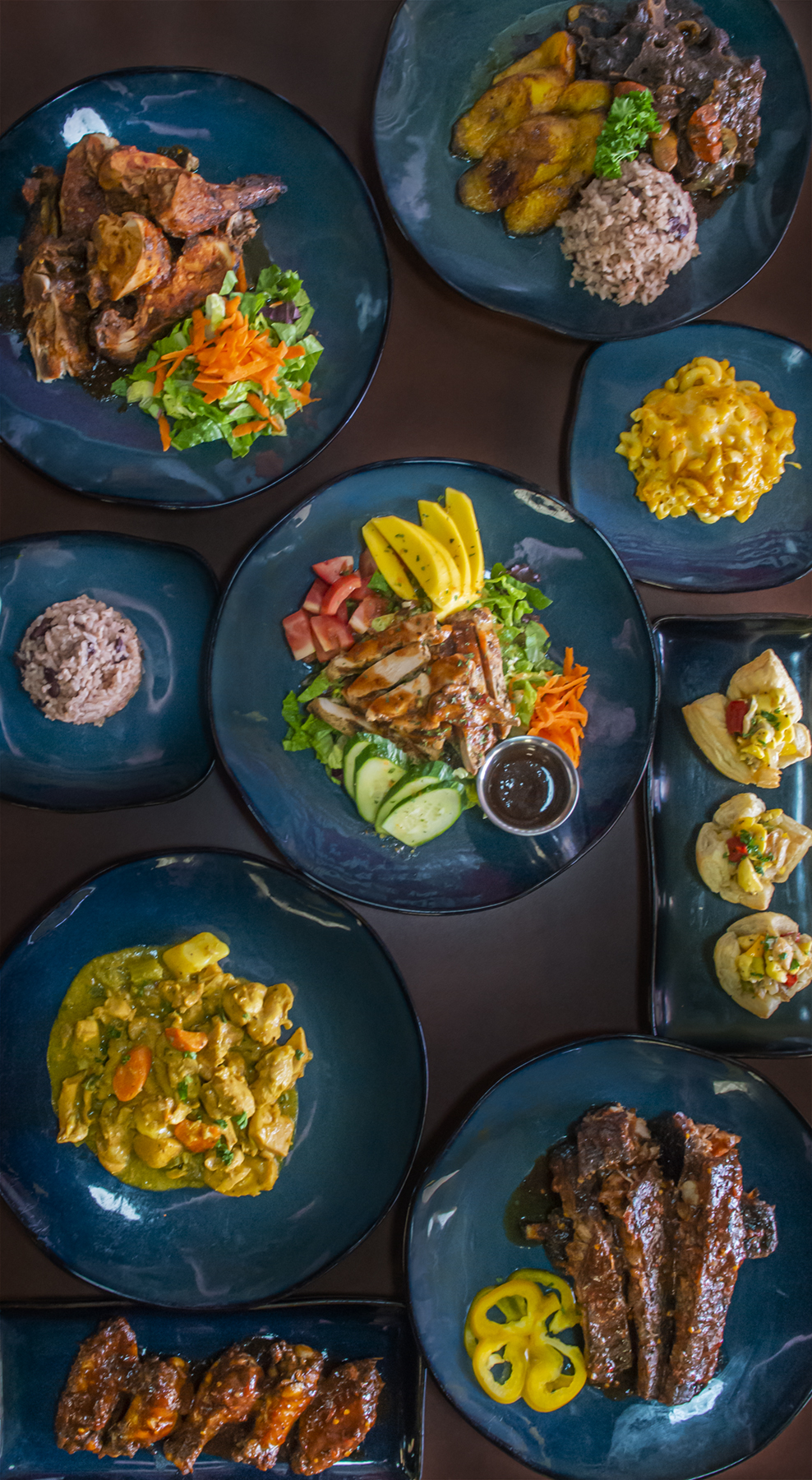
- Jerk and grilled foods: jerk chicken, jerk pork, sometimes fish or sausage, often served with festival, bread, or roasted breadfruit.
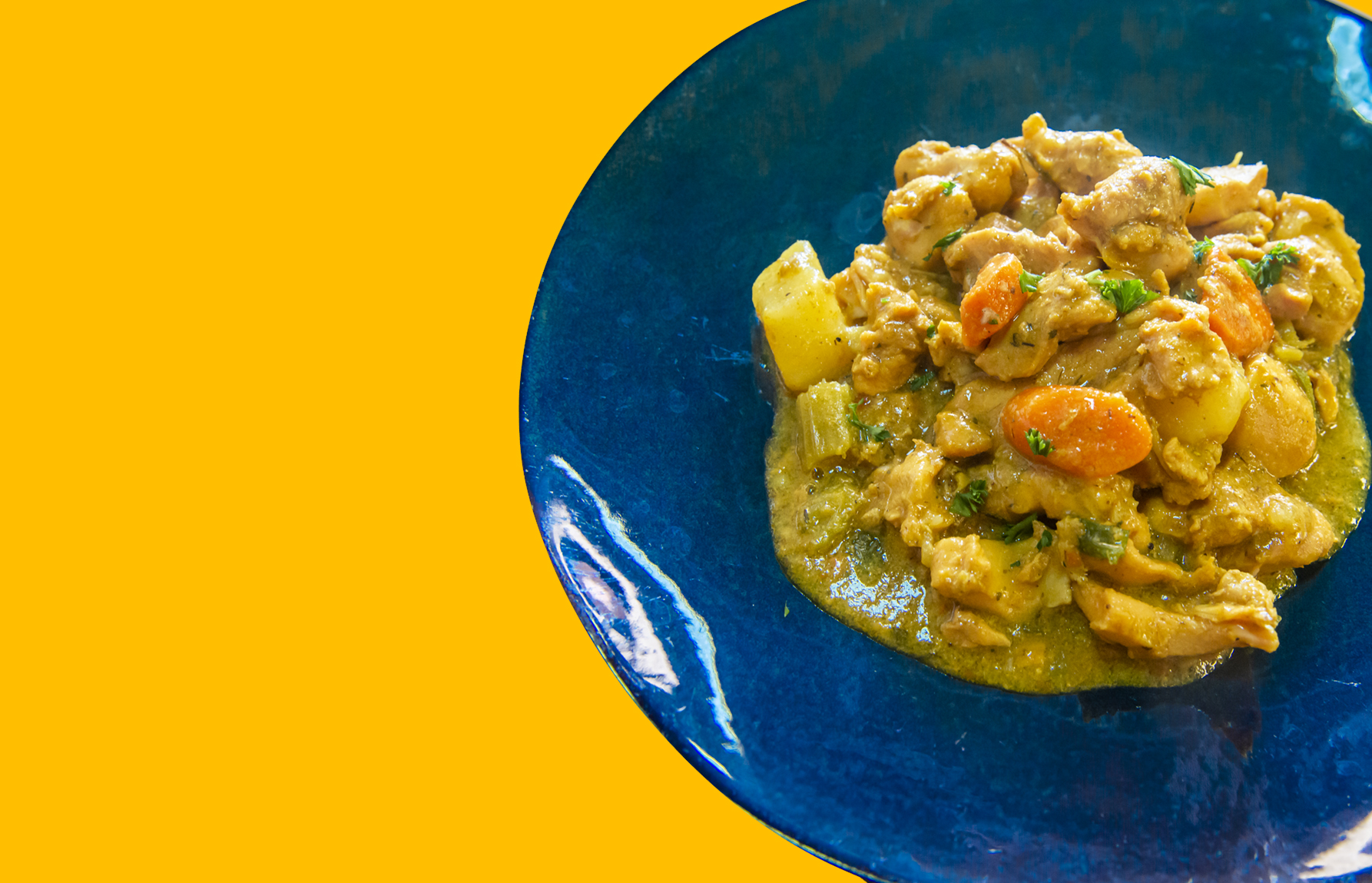
- Stewed and curried dishes: brown stew chicken, curry goat, stew peas, oxtail, cow foot, and various bean-based dishes.
- Breakfast and all-day staples: ackee and saltfish, callaloo, fried dumpling, roasted or fried breadfruit, mackerel preparations.
- Soups and one-pot dishes: red peas soup, chicken foot soup, mannish water, fish tea, rundown, and hearty Saturday-style soups.
- Snacks, sweets, and drinks: patties, gizzada, grater cake, toto, rum cake, sorrel, peanut punch, carrot juice, Irish moss.
That list helps, but context matters more than labels. Ackee and saltfish, for example, often gets introduced as the national dish, which is true and useful. What beginners sometimes miss is that it is not typically eaten as a formal centerpiece dinner. It is deeply associated with breakfast or brunch, and when paired with boiled food, fried dumpling, or breadfruit, it shows the cuisine’s comfort side. Curry goat, by contrast, often appears at weddings, parties, funerals, and major gatherings. Its festive role tells you something about how Jamaicans organize celebration meals.
Jamaican patties deserve a quick note too. Many first-time visitors treat them as a casual snack and move on. That is fair, but at commemorative events patties can become a quiet marker of social memory. Someone will compare bakery styles. Someone else will insist the crust should stain your fingers slightly from turmeric or annatto. Another person will talk about buying patties after school or at a bus stop decades ago. A simple hand pie can carry a surprising amount of biography.
The history on the plate
Food anniversaries can become shallow if they lean only on nostalgia. The stronger ones connect dishes to the historical conditions that shaped them. Jamaican cuisine did not emerge in luxury. Many of its most enduring techniques come from making the most of available ingredients, preserving food in heat, feeding large families, and adapting to land, labor, and trade.
Saltfish is one of the clearest examples. Imported, preserved cod became deeply embedded in Caribbean cooking during the colonial period. In Jamaica, it evolved from a commodity of empire into an ingredient with local identity, transformed by ackee, tomato, onion, pepper, and herbs. The story is not tidy, but it is honest. The dish stands at the intersection of hardship, adaptation, and creativity.
The same goes for provisions such as yam, green banana, cassava, and breadfruit. These are not background ingredients. They tell a story about agriculture, resilience, and the practical intelligence of cooks who knew how to build filling, nourishing meals from what was grown nearby or distributed widely. Breadfruit itself arrived through colonial botanical schemes, yet became naturalized into Caribbean life. That is Jamaican food in a nutshell, imported and local, painful and resourceful, historical and still evolving.
A centennial event often works best when it lets these tensions remain visible. Not every dish needs a placard or lecture, but some explanation improves the experience. If a cook tells you that a soup was once expected at wake gatherings, or that a certain sweet was common at Christmas rather than year-round, listen. Those details keep the cuisine from being reduced to flavor alone.
How to taste your way through the event without missing the point
The biggest beginner mistake is trying to eat everything in full portions. Jamaican food is rich, generous, and often starch-heavy. By the third substantial plate, your palate will start to flatten. You will remember that you were full, but not what you ate.
A better approach is to move in arcs. Start with one grilled item, one stewed item, one starch, and one drink. Pause. Talk to the person serving. Ask how they season it, or where the recipe comes from. Then continue into soups, pastries, or sweets. If there is a cooking demonstration, attend it. Watching someone chop scallion, bruise thyme, or discuss the order in which ingredients enter the pot teaches more than a crowded buffet line ever will.
Heat management matters too. Scotch bonnet has fruitiness as well as fire, but heat accumulates across the meal. Water helps only so much. A starch, a sweet drink, or a pause often works better. Beginners sometimes overcorrect and avoid all spicy dishes. That would be a loss. The goal is not to prove toughness. The goal is to taste carefully enough that the seasoning, smoke, and aromatics remain clear.
If you drink alcohol, rum-based offerings may appear, especially at more festive gatherings. Use judgment. Rich food plus sun plus sweet strong drinks can sneak up on you fast. I have seen many people pace their tasting beautifully until the sorrel with rum arrives and the rest of the afternoon goes sideways.
The etiquette is warmer than formal, but it still matters
Jamaican food culture is generous. People want you to eat, and they often want you to eat more than you planned. Hospitality can be direct. Someone may tell you your plate looks too small. Another may insist that you have not really tried the food until you taste the version from their parish or family line. Receive that in the spirit intended.
Respect starts with curiosity rather than performance. You do not need to pronounce every dish perfectly on the first try. You do need to avoid treating the cuisine like a dare. Do not ask for the “spiciest thing you’ve got” as if the whole tradition exists to test your pain tolerance. Do not call everything “jerk.” Do not dismiss organ meats, soups, or starchy sides because they do not match your idea of restaurant food. Some of the deepest cooking in Jamaican tradition sits exactly in those categories.
It also helps to remember that “authentic” is a slippery word. Jamaicans disagree with one another all the time about what counts as the best or truest version of a dish. A diaspora cook in Toronto or London may adjust ingredients because they must. A home cook may use a pressure cooker where an elder used a coal pot. A vegan Ital plate follows one set of principles, while a roadside jerk pan follows another. Taste with seriousness, but leave room for variation.
Regional and cultural differences are part of the education
One reason centennial food events can be so rewarding is that they gather styles that are not always side by side in daily life. Jamaica is small on a map, but food habits can still vary meaningfully by parish, household, religion, and class.
A person raised in St. Elizabeth may talk about certain ground provisions with more intimacy than someone whose strongest culinary memories come from Kingston bakeries or street patties. Coastal communities may center seafood in ways inland families do not. Rastafarian Ital cooking, with its emphasis on natural ingredients and in many cases avoidance of salt or processed additives, offers a very different but equally Jamaican expression of flavor. Indo-Jamaican influence appears clearly in curries, roti adaptations, spice use, and techniques that have been folded into broader island cooking over time.
For beginners, this means one useful thing. If two cooks tell you two different stories about the “right” way to make a dish, they may both be right within their own line of tradition. A good centennial celebration does not smooth that out. It lets the differences breathe.
What makes a dish memorable, beyond the recipe
People often assume Jamaican food stands or falls on seasoning blends. Those matter, but technique matters just as much. Browning sugar to the edge of bitterness for color and depth in a stew takes nerve. Cooking rice and peas so the grains stay distinct while still absorbing coconut and herb flavor takes timing. Frying dumplings to a crisp exterior without leaving the center dense takes practice. Good cooks make these moves look casual, which can fool beginners into thinking the cuisine is rustic in the sense of simple. It is not simple. It is controlled.
That is especially true with jerk. The commercial version has traveled widely, often reduced to a bottled marinade or a sweet-hot glaze. True jerk, at its best, is a method as much as a flavor profile. The seasoning penetrates, the smoke matters, the heat builds rather than bludgeons, and the meat carries char without drying out. When you taste proper jerk in a setting that takes history seriously, you understand why people become almost possessive about it.
The same principle applies to desserts and drinks. Sorrel should taste lively, not flatly sweet. Rum cake should feel rich but not greasy. Peanut punch can be thick, but if it becomes pasty it has missed the mark. Small calibrations separate food made for display from food made by someone who knows exactly how it should land on the tongue.
If you plan to attend, prepare like this
A little planning improves the day. Wear something comfortable, especially if the event is outdoors or spread across multiple stations. Bring cash even if cards are accepted. Ask whether portions are full-size or tasting-size before you order. If there are cooking classes or heritage talks, arrive early because those tend to fill faster than the food lines.
Most of all, build in enough time. The best part of a jamaican food centennial is often the conversation that happens after the first bite. A vendor explains where the cassava came from. An auntie near you says the old recipe used more pimento. Someone else remembers when patties cost a fraction of what they do now. That exchange is not extra. It is the event.
- Arrive hungry, but not starved.
- Start with smaller portions from several stations.
- Ask one thoughtful question at each stop.
- Pace spice, starch, and alcohol carefully.
- Save room for at least one sweet and one drink.
That simple rhythm works remarkably well. It gives you range without turning the day into a competitive eating exercise.
Bringing the experience home
After your first meaningful exposure to Jamaican centennial-style food, you will probably want to recreate something in your own kitchen. Start with dishes that teach core habits rather than the most technically demanding showpieces. Rice and peas, callaloo, brown stew chicken, or fried plantain will teach you a lot about seasoning balance and timing. Ackee and saltfish is achievable too, provided you use ackee safely and understand its texture. Jerk is worth trying, but be realistic about the limits of your equipment if you do not have access to charcoal or pimento wood.
The bigger lesson to bring home is not one recipe. It is a way of cooking with confidence, aroma, patience, and respect for the role each component plays on the plate. Jamaican food does not ask you to isolate one star ingredient and let it shine alone. It asks you to build a meal where smoke, spice, starch, and brightness support one another.
If you are serious about learning, cook with someone who grew up with the cuisine if you can. If not, read multiple recipes for the same dish before you choose one. Notice where they agree. Notice where they differ. The differences are often where the culture lives.
Why centennial food celebrations matter now
There is practical value in preserving food knowledge before it gets diluted into trend language or flattened into export-friendly versions. Younger cooks inherit recipes unevenly. Some learn by watching grandparents, others from community events, church kitchens, YouTube videos, or memory. A centennial setting creates a rare chance to place those fragments in one room and say, this is not just dinner, this is inheritance.
That matters in the diaspora especially. Jamaican communities abroad have done extraordinary work carrying food traditions across oceans, adapting to different climates, ingredient availability, and work schedules without letting the cuisine disappear. A commemorative food event can honor that labor. It can also remind people that food survives best when it is cooked regularly, argued over honestly, and served generously.
For a beginner, that is the real key to understanding the jamaican food centennial. It is not simply about celebrating a hundred years in the abstract. It is about recognizing that recipes are social documents. They record movement, hardship, joy, status, religion, trade, memory, and stubborn affection. When the food is good, you taste all of that, not as a lecture, but as a meal that feels complete.
Once you see it that way, the event becomes easier to navigate. You are not just deciding between curry goat and brown stew chicken. You are learning how a cuisine remembers itself. And that makes every plate more interesting.
Reggae Pot Jamaican Grill
Address: 7562 S University Blvd C, Centennial, CO 80122
Phone number: +13039975623
FAQ About Jamaican Food Centennial
What is typical Jamaican food?
Typical Jamaican food features bold, vibrant flavors created by blending African, Taino, European, and Asian influences.
What is a famous Jamaican dish?
The most famous Jamaican dish is Ackee and Saltfish, which is the national dish of Jamaica.
What are the top 10 foods to eat in Jamaica?
AI Overview The top 10 traditional foods to eat in Jamaica are bold, flavorful dishes that mix local ingredients with global influences.