How Traditional Recipes Shine in the Jamaican Food Centennial
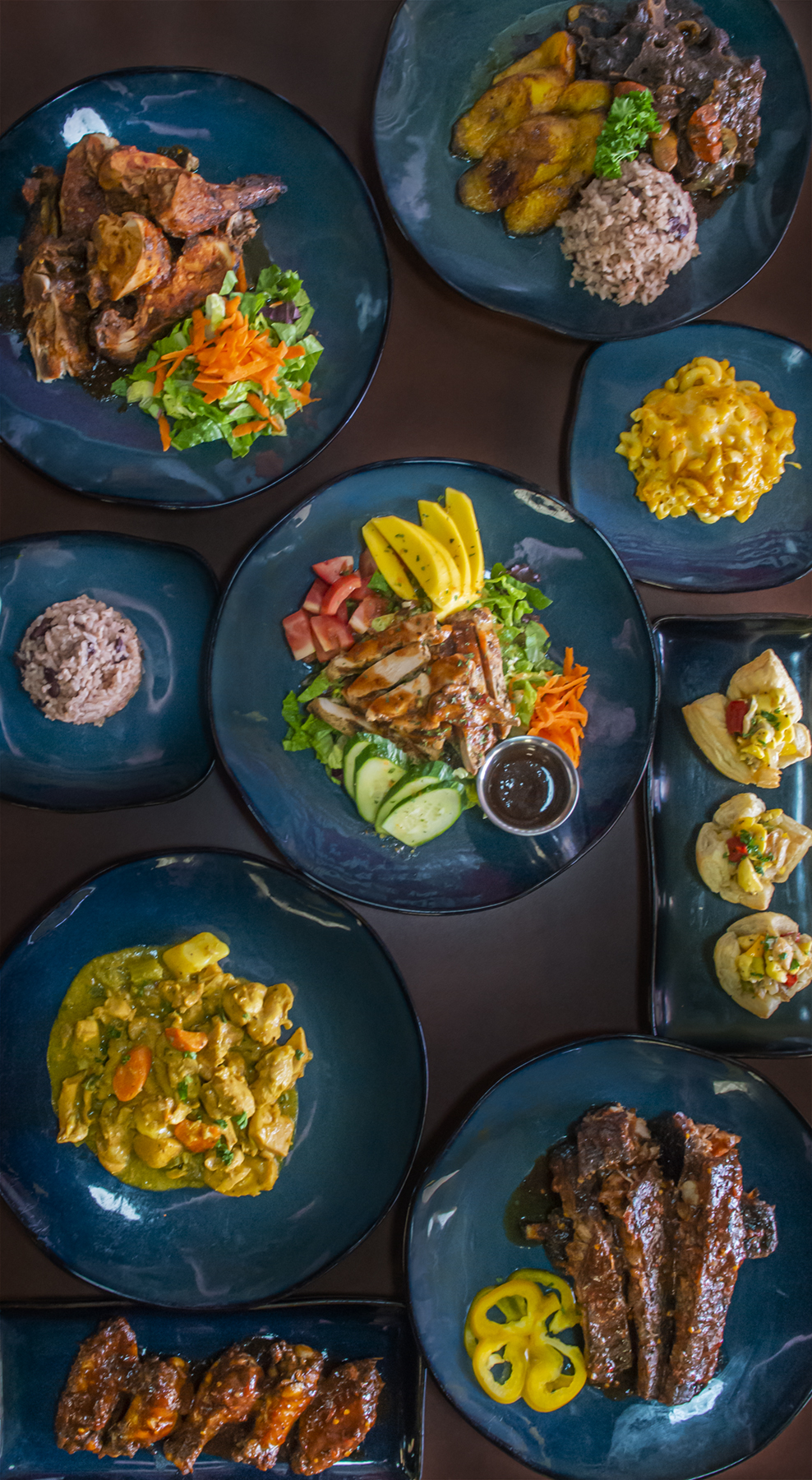
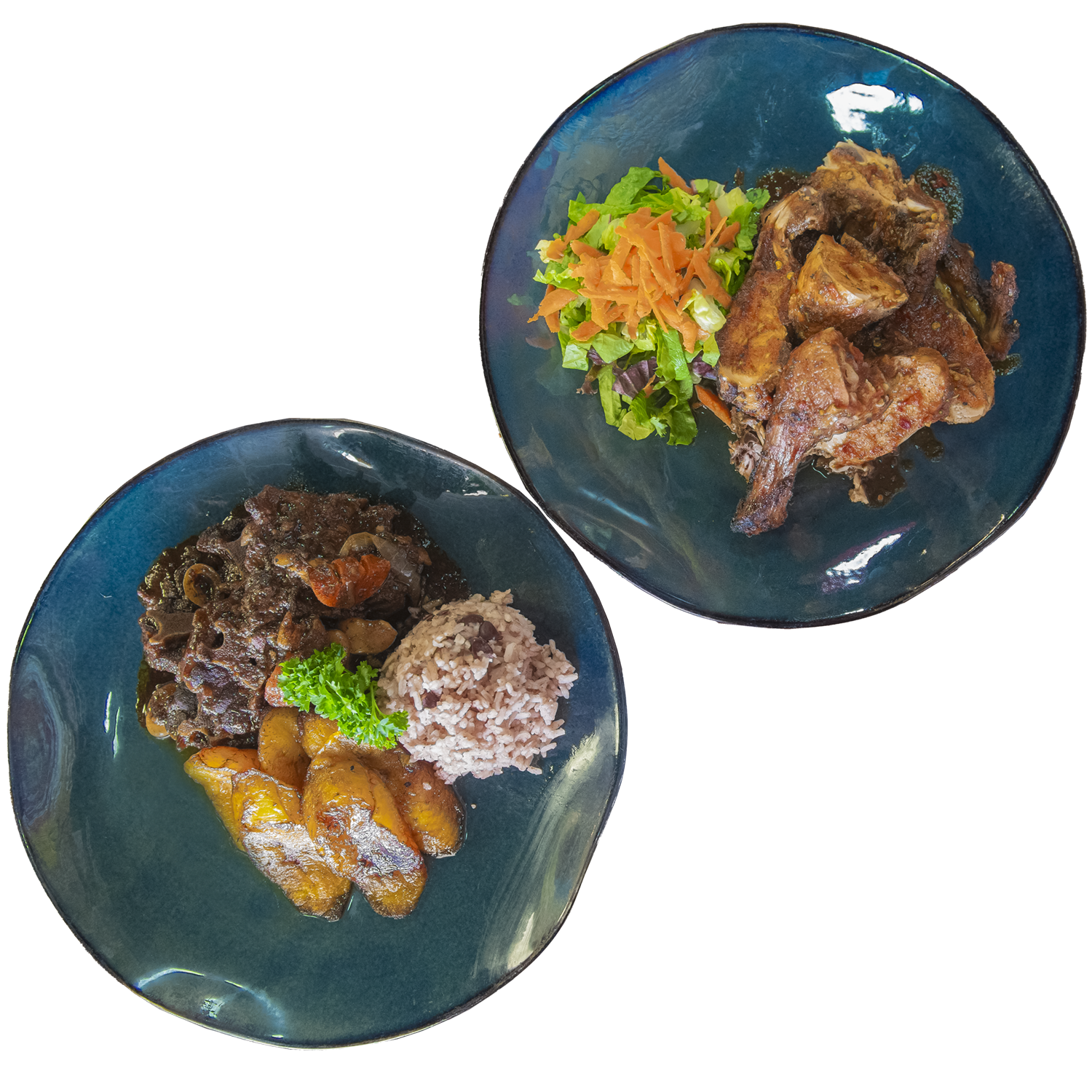
A centennial invites people to count years, trace milestones, and take stock of what has endured. In the case of Jamaican food, that act of looking back does more than stir nostalgia. It reveals how recipes carried through kitchens, markets, roadside stalls, and family gatherings have done some of the heaviest cultural work on the island. They have preserved memory, codified technique, and offered a daily expression of identity long before anyone thought to place them in a heritage program or festival schedule.
That is why the idea of a Jamaican food centennial feels so compelling. It gives formal attention to something Jamaicans have understood in practice for generations, that food is not an accessory to history. It is one of the ways history remains alive. Traditional recipes do not shine merely because they are old. They shine because they still perform. They still feed households on tight budgets, anchor Sunday dinners, define celebrations, and translate the island’s complex past into taste, texture, and aroma.
Anyone who has stood over a pot of peas soup on a rainy day, watched allspice smoke rise from a jerk pan, or waited for the crust on a patty to reach that precise golden hue knows that these dishes are not accidental. They are built from accumulated judgment. When to soak the gungo peas. How much scallion to bruise before adding it to a marinade. How long to let cassava breathe after grating so the starch settles properly. These are details that separate a recipe written on paper from one that lives in the hands.
More than heritage on a plate
Traditional Jamaican cooking is often celebrated for bold flavor, and fairly so. Scotch bonnet heat, thyme, pimento, ginger, coconut, cured meats, fresh seafood, and root vegetables combine in ways that are instantly recognizable. Yet reducing these dishes to flavor alone misses their significance. Every enduring recipe in the Jamaican repertoire also tells a story about movement, adaptation, and survival.
Ackee and saltfish, now treated by many as the national dish, speaks to trade routes, colonial exchange, and the ingenuity of making imported salted cod work with a fruit that thrives locally. Rundown carries the mark of coastal cooking, where coconut milk and fish could create a dish at once rich and practical. Pepper pot and mannish water are examples of a food culture that historically wasted little and understood deeply how to make humble ingredients sustaining. Bammy reflects Indigenous Taíno influence that still persists in daily eating, not as a museum artifact but as an active part of the table.
In a Jamaican food centennial celebration, these recipes deserve more than decorative mention. They are the core material. Modern chefs may reinterpret them, and that can be exciting when done with care, but the original forms matter because they hold the logic of the cuisine together. Strip away the old methods entirely and the dishes may remain tasty, but they stop speaking with the same authority.
The quiet authority of technique
One of the easiest mistakes in food writing is to treat traditional cooking as though it relies only on instinct and lacks rigor. Anyone with real kitchen experience knows the opposite is true. Traditional recipes survive because their methods have been tested under pressure for decades, often longer.
Take rice and peas. Outsiders sometimes imagine it as a simple side dish, yet a proper pot demands attention. The peas must be cooked to the correct tenderness. Coconut milk has to enrich without becoming greasy. Thyme, scallion, Scotch bonnet, and allspice need to perfume the rice rather than overwhelm it. Then there is the issue of texture. Too wet and it eats like compromise. Too dry and it loses its softness and fragrance. Good Jamaican cooks learn these balances through repetition, and the best can tell where the pot is headed by the smell that rises when the lid is first lifted.
The same applies to jerk. The popular global version often leans heavily on heat and smoke, but authentic jerk is more disciplined than that. Pimento does much of the structural work. It rounds the fire and gives the seasoning its signature warmth. Fresh thyme, scallion, garlic, ginger, and Scotch bonnet create depth, but so does time. Meat needs a chance to take on the marinade. The fire matters too. Traditional jerk cooking, especially over pimento wood, creates a flavor no bottled sauce can fully mimic. What shines at a centennial celebration is not just the final taste but the chain of knowledge that gets the food there.
Festival offers another example. At first glance it seems straightforward, just a lightly sweet fried dough served alongside fish or jerk meats. Yet anyone who has made hundreds of them for a busy service knows the difficulties. The dough must be mixed enough to develop structure but not so much that it toughens. The oil needs to hold steady heat. The shape affects the cook. The ideal festival has a delicate crust, a warm interior, and enough sweetness to play against spice without becoming cake. That is craftsmanship, not accident.
Memory travels through the market
Traditional Jamaican recipes do not live only in formal cookbooks. They travel through the market, in casual shopping habits, in substitutions made during lean weeks, and in the lessons older cooks pass down without ceremony. Some of the sharpest knowledge about the cuisine sits with people who would never describe themselves as culinary historians.
Spend enough time at a Jamaican market and you see how ingredients organize memory. A hand testing a yam for density. A cook asking whether the callaloo is tender enough for steaming. The search for breadfruit at the right stage, firm enough to roast well but not so green that the texture turns stubborn. These choices reflect recipes, yes, but they also reflect situations. A family meal after church calls for one kind of shopping. A funeral repast calls for another. Christmas preparations reorder the whole market rhythm, with sorrel, ginger, scotch bonnet, and meats taking on a new urgency.
This is one reason the Jamaican food centennial should never become too polished. If celebration drifts too far toward plated spectacle and away from the ordinary economy of ingredients, it risks missing the cuisine’s real center. Traditional recipes were shaped by the practical demands of feeding people well. Their beauty comes partly from their intelligence under constraint.
A memorable cook once told me that the best Jamaican kitchens know how to stretch flavor before they stretch money. She meant that careful seasoning, patient simmering, and smart use of aromatics can turn modest ingredients into something deeply satisfying. That principle sits behind many enduring recipes, from stewed peas to pumpkin soup to brown stew chicken. Each dish rewards patience and exactness more than extravagance.
Why old dishes still feel current
There is a tendency in anniversary celebrations to place tradition on one side and innovation on the other, as if they are permanent rivals. Jamaican food resists that simplification. The strongest traditional dishes remain current precisely because they are flexible enough to absorb changing conditions without losing their identity.
Consider curry goat. In many homes and restaurants, details vary. Some cooks use more garlic, others lean harder on ginger, and spice blends differ in proportion and source. Cooking time shifts depending on the age and cut of the meat. Yet the dish remains legible because its structure is intact: marinated meat, layered seasoning, patient braising, and a sauce that develops body and depth rather than tasting raw or rushed. The recipe evolves, but it does not dissolve.
The same can be said for escovitch fish. Modern plating may refine its appearance, and some chefs may lighten the pickle for contemporary palates, but the dish still depends on a sharp acidic contrast, crisp fish, and the aromatic bite of onions, carrots, and peppers. Lose that interplay and the dish ceases to be escovitch in any meaningful sense.
This flexibility is what allows traditional Jamaican recipes to shine during commemorative moments. They are not frozen relics. They continue to meet the needs of the present. They can anchor a family breakfast, support a restaurant menu, feed a crowd at a community event, or appear in a fine dining tasting course without embarrassment. That range is rare, and it reflects unusual culinary strength.
The role of regional character
No serious discussion of Jamaican food should pretend the island cooks as one uniform unit. jamaican food centennial Regional character matters. Coastal communities have different habits from inland ones. Urban cooking changes under time pressure and ingredient availability. Rural kitchens often preserve methods and combinations that city diners may encounter less often. Even within the same dish, one parish may insist on a seasoning profile or preparation style another would challenge.
This matters during a centennial because celebrations often flatten regional nuance in favor of a single national story. But Jamaican cuisine earns its richness from variation. A soup in one household may be thicker, rootier, and heavier on dumplings. Another may emphasize broth clarity and vegetable sweetness. One cook’s jerk pork may carry a more aggressive smoke profile. Another’s may foreground fresh herbs. Coconut rundown can shift with the catch, the season, and the cook’s preference for reduction.
These differences are not signs that tradition is unstable. They are signs that it is alive. A recipe with no local variation is often a recipe detached from community use. The best centennial programming, whether in restaurants, schools, or cultural festivals, would make room for these distinctions. It would allow people to see that authenticity in Jamaican cooking is not always a single fixed formula. Sometimes authenticity lies in a method, a ratio, a sequence, or a standard of taste rather than exact measurements.
jamaican food centennial Reggae Pot Jamaican GrillDishes that carry the centennial spirit
If one were to build a table that captures the spirit of the Jamaican food centennial, traditional recipes would naturally dominate, not because modern dishes lack merit, but because these older preparations explain the country to itself. Certain dishes seem to gather more than flavor. They gather memory, labor, migration, celebration, and necessity all at once.
Among the strongest examples are the following:
- ackee and saltfish, for its blend of local abundance and imported history
- jerk pork or jerk chicken, for its technique, smoke, and unmistakable sensory identity
- rice and peas, for the way it completes and steadies the plate
- escovitch fish with bammy or festival, for its balance of sharpness, richness, and texture
- curried goat, for its ceremonial weight at gatherings and its deep connection to communal eating
These dishes deserve prominence not because they are the only important ones, but because each one demonstrates a different strength within the cuisine. Together they show that Jamaican food can be bright, smoky, fiery, earthy, festive, and practical without contradiction.
Still, a centennial table would be incomplete without the quieter dishes that sustain daily life. Cornmeal porridge, stamp and go, callaloo, cook-up vegetables, roast breadfruit, fried plantain, and a properly seasoned tin mackerel all belong in the conversation. A food culture reveals itself just as clearly in its weekday meals as in its celebration dishes.
The pressure of globalization
No cuisine reaches a centennial untouched by outside influence. Jamaican food has traveled widely, and in many ways that is a triumph. Diaspora communities have carried recipes abroad, introduced new audiences to patties and jerk, and kept culinary memory alive far from the island. At the same time, export success can distort perception. Global demand tends to spotlight the easiest dishes to package and market. The result is a narrower image of the cuisine than the real one.
Jerk seasoning in a jar has its uses, especially for home cooks working far from pimento wood and local markets. Frozen patties can fill a real need. Restaurant menus abroad often make practical adjustments to local supply and customer expectation. None of that is inherently problematic. The trouble comes when convenience products and simplified versions start to define the cuisine more strongly than the original methods do.
That is where centennial observances can serve a real purpose. They can remind audiences that Jamaican food is larger and more textured than its export icons. They can foreground labor-intensive traditions, seasonal dishes, and preparations that do not travel as easily. They can also honor the cooks who maintain standards even when faster, cheaper shortcuts are readily available.
A good example is sorrel drink at Christmas. In some places it has become a bottled beverage with a generic hibiscus profile. But properly made sorrel has a different presence. Fresh sorrel sepals steeped with ginger, sweetened to balance tartness, sometimes sharpened with a touch of spice or citrus peel, create a drink with depth and warmth. It is festive, yes, but also precise. That precision matters.
Passing recipes forward without embalming them
One challenge in any heritage-focused moment is avoiding the urge to embalm tradition. Food should not become so protected that people are afraid to cook it imperfectly, adapt it thoughtfully, or teach it informally. Traditional recipes survive through use, and use is rarely pristine.
The strongest approach is to preserve fundamentals while making room for changing circumstances. If a younger cook learns the backbone of brown stew chicken, the proper browning of sugar, the seasoning base, the timing of the braise, then that cook can make responsible adjustments for ingredient quality, batch size, or dietary need. The tradition remains intact because the underlying judgment has been transmitted.
This is where intergenerational cooking matters more than official documentation alone. Written recipes help, certainly. They create a record and improve access. But many of the most important lessons in Jamaican cooking are sensory. How a pot sounds when liquid has reduced enough. How salted fish should feel after soaking and flaking. How long to roast breadfruit before the skin chars correctly and the flesh loosens inside. These are learned most effectively beside someone who has done it before.
For families and institutions marking a Jamaican food centennial, there is real value in creating spaces where that transfer can happen naturally. Community cook-ups, school demonstrations, market tours, church kitchen events, and oral history projects can all help. The point is not to turn every grandmother into a content creator. The point is to make sure her knowledge does not vanish when her kitchen goes quiet.
What excellence really looks like
Traditional Jamaican recipes shine brightest when they are cooked with restraint as well as generosity. That may sound paradoxical, but it is true. Good cooks know when to season boldly and when to leave a fine ingredient room to speak. They know that heat should excite the palate, not numb it. They know that coconut milk can enrich a dish or smother it. They know that saltfish needs careful handling so it supports ackee rather than dominating it.
That judgment is what separates showy food from lasting food. A centennial celebration can attract grand gestures, oversized platters, dramatic fusion concepts, and social media friendly presentations. Some of those will be enjoyable. But the dishes people remember, the ones that actually honor the tradition, are usually the ones cooked with balance.
A well-made plate of stew peas with spinners and tender beef can say more about Jamaican culinary intelligence than an elaborate deconstruction ever could. So can a perfectly fried slice of plantain placed beside escovitch fish, or a bowl of goat soup whose aroma announces itself before it reaches the table. These foods do not need reinvention to justify their place. They need care.
One practical way to think about excellence in the context of traditional Jamaican cooking is this:
- respect ingredient integrity, especially with salt, heat, and smoke
- preserve method where method creates identity
- allow regional and family variation without erasing the dish’s core character
- teach sensory cues, not only measurements
- celebrate everyday dishes alongside festival foods
That last point deserves emphasis. Centennial moments often focus on the spectacular, but a cuisine proves itself in the ordinary. If the only foods honored are those associated with performance and tourism, the picture remains incomplete. Jamaican food is as much about a weekday breakfast or a pot set to simmer for family as it is about ceremonial abundance.
A centennial worth tasting slowly
The deeper promise of the Jamaican food centennial is not simply commemoration. It is recalibration. It asks people to see traditional recipes with renewed seriousness, not as quaint artifacts from an older Jamaica, but as living forms of expertise. These dishes have survived changing economies, migration, urbanization, shifting tastes, and global commercialization. They have done so because they continue to answer human needs with remarkable effectiveness.
They comfort without dullness. They celebrate without excess. They turn scarcity into flavor and technique into memory. They hold traces of Africa, Europe, India, China, the Indigenous Caribbean, and the island’s own creative force, then make something unmistakably Jamaican out of that layered inheritance.
When traditional recipes shine in a Jamaican food centennial, they do more than represent the past. They prove continuity. A cook seasoning fish at dawn for the day’s service, a vendor lifting festival from hot oil, a family stirring a holiday pot of sorrel, a child learning how ackee should look when it is ready, all of these acts belong to the same story. The centennial simply gives that story a brighter frame.
And perhaps that is the most fitting tribute. Not to polish the cuisine until it loses its fingerprints, but to recognize the fingerprints as evidence of life. Traditional Jamaican recipes matter because they were made by real hands, adjusted in real time, and shared at real tables. A hundred years of formal recognition, however one marks it, only confirms what the food has been saying all along. It endures because it is excellent, and it remains excellent because people keep cooking it with knowledge, pride, and appetite.
Reggae Pot Jamaican Grill
Address: 7562 S University Blvd C, Centennial, CO 80122
Phone number: +13039975623
FAQ About Jamaican Food Centennial
What is typical Jamaican food?
Typical Jamaican food features bold, vibrant flavors created by blending African, Taino, European, and Asian influences.
What is a famous Jamaican dish?
The most famous Jamaican dish is Ackee and Saltfish, which is the national dish of Jamaica.
What are the top 10 foods to eat in Jamaica?
AI Overview The top 10 traditional foods to eat in Jamaica are bold, flavorful dishes that mix local ingredients with global influences.