Jamaican Food Centennial Foods That Shaped a Century
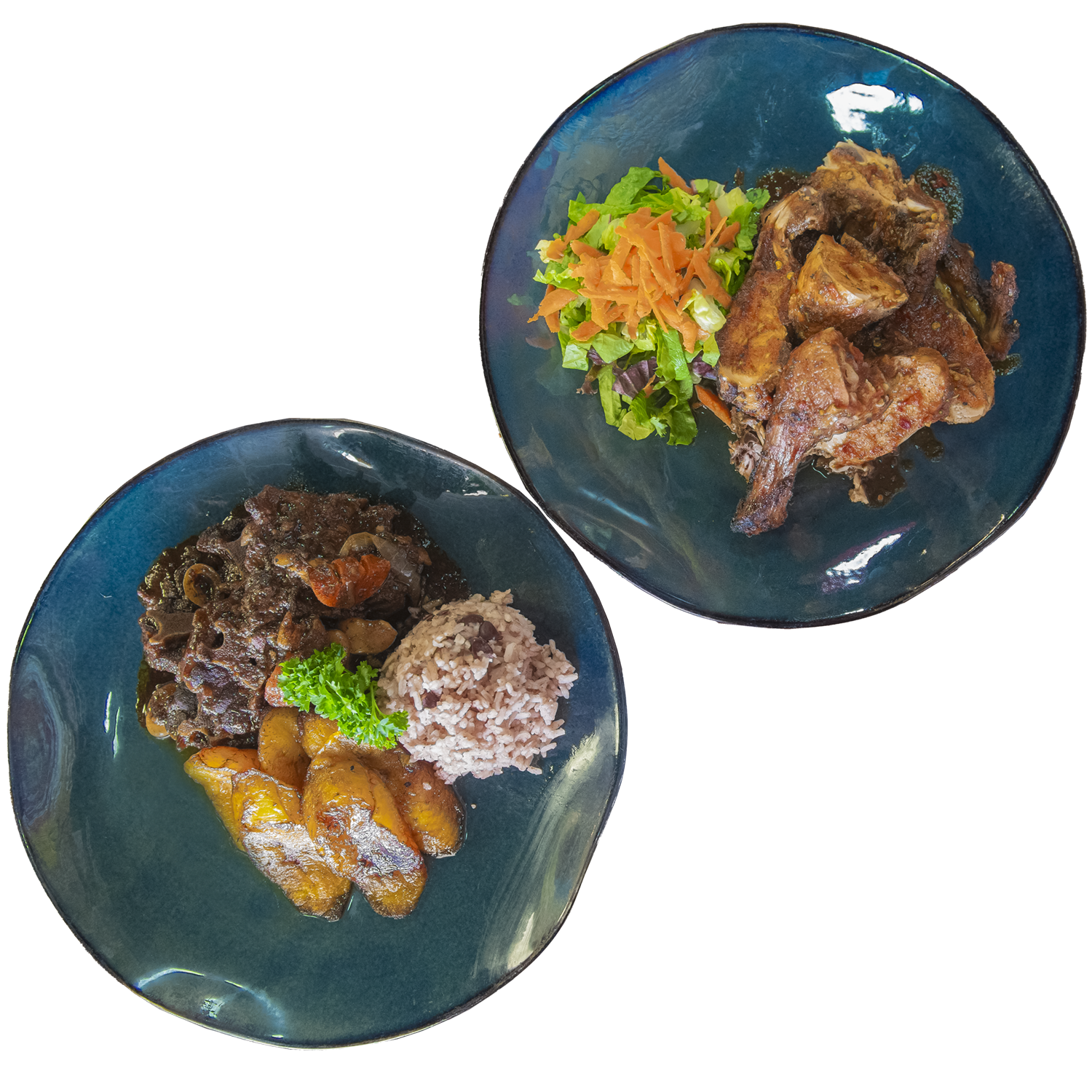
A century of Jamaican cooking cannot be reduced to a neat timeline or a greatest-hits menu. Food in Jamaica has always moved with people, pressure, celebration, scarcity, migration, faith, and trade. What lands on the plate says as much about labor history and family structure as it does about seasoning. That is what makes a Jamaican food centennial worth examining closely. Over the last hundred years, some dishes have held their ground with remarkable consistency, while others have shifted shape as ingredients, money, appliances, and tastes changed around them.
Ask Jamaicans of different generations what defines the island’s food, and you will hear familiar names, jerk, ackee and saltfish, rice and peas, patties, rundown, curry goat, mannish water, escovitch fish, steamed fish, bun and cheese. Yet the importance of these foods does not come only from popularity. It comes from what they carried. Some fed workers before dawn. Some marked Sundays, funerals, Christmas, Easter, and road trips. Some became shorthand for national identity at home and abroad. Some left the yard, entered hotels and export markets, and returned transformed.
If there is one useful way to read the last hundred years of Jamaican cooking, it is this: the foods that lasted were rarely static. They survived because cooks adapted them without letting them lose their soul.
The century on a plate
Jamaican food in the early decades of the twentieth century was shaped by a hard practical reality. Rural life was common, refrigeration was limited, imported goods were expensive relative to income, and home cooking depended on what could be grown, caught, cured, salted, preserved, or stretched. Ground provisions, breadfruit, yams, green bananas, cassava, plantain, callaloo, coconut, saltfish, herring, mackerel, and local poultry formed the backbone of many meals. Firewood cooking and coal stoves were still part of daily life in many households. Those cooking methods mattered. They deepened smoke, concentrated stock, and rewarded patience.
By the mid-century period, urbanization began changing the rhythm of eating. Kingston and other towns created more demand for ready foods, bakery culture, and foods that could travel. Independence in 1962 sharpened interest in national identity, including what counted as distinctly Jamaican. The tourism industry added another layer, promoting some dishes as ambassadors while flattening others into postcard versions.
Late twentieth-century migration to Britain, Canada, and the United States did something equally powerful. Jamaicans abroad preserved recipes with the ingredients available to them, then fed those dishes back into global popular culture. A London patty, a Toronto jerk pan, and a Brooklyn Sunday dinner all became part of the same long story, even when they differed from what a cook in St Elizabeth or Portland might serve at home.
That is why centennial thinking matters. A food can be old, but its modern meaning may be quite recent.
Jerk, from preservation method to national symbol
No discussion of a Jamaican food centennial can begin anywhere else. Jerk is now a global marker of the island, but its history is more layered than many menus suggest. At its core, jerk was a method, seasoning, smoking, and slow cooking meat over pimento wood, associated especially with the Maroons and with rural cooking traditions that valued both flavor and preservation. Pork was central, and in many places still is. Chicken became dominant later for simple reasons, price, scale, convenience, and speed.
A proper jerk pit tells you a lot about continuity. Pimento wood gives more than smoke. It lends a sweet, aromatic dryness that works with thyme, scallion, Scotch bonnet, allspice, and salt in a way that gas grills never fully replicate. The best jerk is not only hot. It is layered, resinous, earthy, slightly sweet, and deeply savory. Good cooks know the line between charring and bitterness. Too many commercial versions push sugar or sauce where smoke and spice should do the work.
Across the past hundred years, jerk moved from local craft to roadside institution and then to export product. Every step brought trade-offs. Wider reach made the flavor famous, but it also encouraged shortcuts, liquid smoke, bottled marinades heavy with vinegar, grilling over the wrong wood, overreliance on chicken breast, and sauce applied after cooking as a substitute for proper seasoning. Still, the dish endured because its core idea remained persuasive. It tastes unmistakably Jamaican, and it carries technique, landscape, and memory all at once.
For many Jamaicans, the benchmark is not a restaurant dining room but a roadside jerk pan with festival on the side, sliced hard dough bread, and a strip of foil trapping the heat. That pairing is modern tradition at this point, a good example of how a dish can evolve while still feeling rooted.
Ackee and saltfish, the national dish that teaches balance
If jerk represents smoke and fire, ackee and saltfish represents judgment. It is one of the most recognizable Jamaican dishes and one of the easiest to mishandle. Good ackee and saltfish depends on restraint. The ackee must stay intact but tender. The saltfish must be desalinated enough to be pleasant but not washed into blandness. Onion, tomato, sweet pepper, scallion, black pepper, thyme, and a little Scotch bonnet often round it out, though every household has preferences. The result should be rich yet light on the tongue, creamy yet broken by salinity and aromatic vegetables.
Ackee itself tells a wider story of movement. Though not indigenous to Jamaica, it became naturalized in the foodways of the island so completely that many people outside the Caribbean are surprised to learn its deeper origins. Over the last century, ackee and saltfish became more than breakfast. It became symbol, shorthand, and a test of domestic skill. It also became a dish around which safety knowledge mattered, since ackee must be properly ripened and prepared.
What makes it so durable is the way it sits at the center of the Jamaican table. Served with roasted breadfruit, fried dumpling, boiled green banana, yam, or Johnny cake, it can feel rustic or ceremonial depending on the setting. It works in a small kitchen before work and on a holiday morning when people are in no rush. Few dishes summarize the island’s blend of African inheritance, colonial trade, and local adaptation as clearly.
Rice and peas, Sunday logic and everyday mathematics
Rice and peas may sound humble, but it carries enormous cultural weight. In many homes, it is the Sunday anchor, especially when paired with chicken, beef, pork, fish, or curried meat. Outside Jamaica, the name often creates confusion because the “peas” are usually kidney beans or gungo peas, depending on the season and the cook. Coconut milk, thyme, scallion, allspice, and Scotch bonnet give it depth. The grain should be separate, not sticky, and perfumed without becoming heavy.
Over a hundred years, rice and peas has done two jobs at once. It has been celebratory and economical. It stretches protein, absorbs gravy, and feeds a crowd without feeling mean. That matters more than food writing sometimes admits. The dishes that shape a nation tend to be the ones that make social life possible. A pot of rice and peas can serve family, neighbors, or unexpected visitors. It turns a little into enough.
The classic pairing of Sunday rice and peas with chicken, often brown stew or fried chicken with gravy, has become so embedded that for many Jamaicans it marks the week as surely as church bells once did. And yet, like all living foods, it has changed. Pressure cookers shortened cooking times. Canned coconut milk became common in some kitchens. Gas and electric stoves altered heat control. Some modern versions are cleaner and quicker, but not always better. There is a noticeable difference when the beans are cooked from dry and the coconut is fresh or carefully handled.
A century ago, the dish spoke mainly of domestic rhythm and household economy. Today it also speaks of nostalgia. Abroad, the smell of rice and peas is enough to collapse distance for a few minutes.
Patties, portability and the taste of modern Jamaica
Few foods capture twentieth-century Jamaica’s move toward urban convenience like the patty. Flaky, turmeric-tinted pastry wrapped around seasoned filling became a bakery staple, school lunch, bus stop meal, and late-night fix. Beef may be the best-known filling, but chicken, cheese, vegetable, soy, shrimp, and saltfish versions all found their place over time.
The patty’s importance is easy to underestimate because it feels so familiar. But it changed the way people ate. It offered speed without severing the link to local flavor. It could be mass produced, sold hot, eaten by hand, and carried with little fuss. That made it ideal for a more mobile society. It also made it one of Jamaica’s most successful food exports.
There is real craftsmanship in a good patty. The crust must shatter lightly rather than crumble into dust. The filling should be moist, assertively seasoned, and evenly distributed, not hiding in one corner. Heat matters too. A patty that is merely warm rarely satisfies. Anyone who has stood in a bakery queue knows this. Fresh from the oven, the aroma of fat, turmeric, pepper, and meat hits before the first bite.
The coco bread pairing deserves mention because it reflects Jamaican ingenuity in plain sight. Putting a patty inside soft bread is not subtle eating, but it is smart, filling, and beloved. It is also a reminder that food culture is not built only in formal dining spaces. It grows in schools, shops, canteens, sports grounds, and on the move.
Curry goat and the mark of celebration
Jamaican curry is one of the island’s clearest examples of culinary exchange becoming local ownership. Influenced by the presence and legacy of Indian indentured laborers after emancipation, curry entered Jamaican cooking and developed its own personality. Curry goat became one of the most cherished celebratory dishes, especially for weddings, large gatherings, and special Sundays.
This is not curry in a generic sense. Jamaican curry goat is typically darker, hotter, and more allspice-forward than many people expect. The goat is often seasoned in advance, then cooked until tender enough to yield without losing structure. Potatoes may be added, and when they are, they should absorb flavor rather than dilute it. The gravy should cling, not run thin.
Over the last century, curry goat became a social signal. If it is on the menu, the event matters. There is also a practical side to that prestige. Goat is flavorful, handles long cooking well, and feeds groups effectively when prepared by an experienced hand. But quality varies dramatically. The best versions avoid toughness, excess grease, and the raw harshness that comes from undercooked curry powder. Good cooks know to “burn” or bloom the curry in fat at the right stage, building a rounded flavor rather than a dusty one.
The rise of curry goat also says something broader about Jamaican identity. The island’s cuisine is not pure in the narrow sense, and that is one of its strengths. It absorbs and transforms. A centennial view makes this obvious.
Breadfruit, yam, green banana, and the dignity of provisions
The foods that sustained Jamaica through much of the last century were not always the ones most celebrated in tourist brochures. Ground provisions and starchy staples carried households through tight times and full times alike. Breadfruit, yam, green banana, coco, dasheen, cassava, and plantain were not side notes. They were structure.
Breadfruit is especially revealing. Roasted over open flame until the skin blackens and the inside turns fragrant, it can be eaten with ackee and saltfish, rundown, steamed fish, or simply with butter. Fried breadfruit has its own following, crisp-edged and soft-centered. Over the last hundred years, breadfruit has swung between everyday staple and heritage food, depending on class, geography, and changing preferences for imported starches like rice and wheat products.
Yam carries another sort of respect. It is dense, sustaining, and often associated with rural strength and agricultural life. Green banana, whether boiled or paired with mackerel, saltfish, or liver, has fed generations before long workdays. These are foods of substance, and they reveal how Jamaican cooking has long been built around the logic of satiety, not only flair.
In recent years, provisions have gained new attention from chefs and nutrition-minded diners. That is welcome, though sometimes the language around “rediscovery” forgets that many families never stopped valuing them. A roasted breadfruit split at the table with smoked herring or run down is not a novelty. It is continuity.
Sea and river, escovitch, rundown, and steamed fish
Being an island has consequences for a cuisine, but access to seafood has never been equal across all communities or all seasons. Even so, fish dishes have been central to Jamaican eating across the century. Escovitch fish, typically fried and topped with a sharp dressing of vinegar, onion, carrot, and Scotch bonnet, offers one of the brightest contrasts in the cuisine. The fish should be crisp without drying out, and the pickled topping should wake the palate rather than attack it.
Rundown, especially mackerel rundown, shows another side of Jamaican resourcefulness. Salted or pickled fish simmered in seasoned coconut milk until the liquid cooks down into a rich sauce produces extraordinary flavor from modest inputs. It is deeply satisfying with breadfruit, dumpling, or green banana. That kind of dish survives generations because it answers more than taste. It answers budget, storage, and appetite.
Steamed fish sits in yet another category, restorative and expressive. Prepared with okra, carrots, cho cho, onion, Scotch bonnet, thyme, and sometimes crackers or bammy, it can feel both homey and festive. A good steamed fish broth has body and clarity. It should taste alive, not muddied by excess seasoning powder or overcooked vegetables.
These dishes remind us that the past hundred years of Jamaican food were not built only on spectacle. They were built on technique, on knowing how to fry properly, pickle intelligently, simmer coconut without splitting it, and season fish without bullying it.
Festival, bammy, and the side dishes that refuse to be secondary
Some foods shape a cuisine by supporting everything around them. Festival, that slightly sweet fried dough with a crisp exterior and soft interior, is one of those foods. It became inseparable from jerk, fried fish, and beachside eating in many parts of Jamaica. Bammy, made from cassava, has an older lineage and a subtler role. Fried or steamed, it has long accompanied fish and absorbed sauces beautifully.
Dumplings belong in this conversation too, boiled, fried, and occasionally made the center of a meal rather than a companion. What these starches share is adaptability. They turn sauce into substance. They travel. They fit both breakfast and supper. Over jamaican food centennial a century, they helped define not just flavor but texture in Jamaican food, chewy, crisp, dense, fluffy, soaking, balancing.
That may sound like a small point, but it is not. People return to foods for mouthfeel as much as seasoning. A meal of escovitch fish without bammy or festival feels incomplete to many diners not because of custom alone, but because the plate loses contrast.
Christmas cake, sorrel, and the calendar of taste
If daily meals build endurance, holiday foods build emotional memory. Jamaican black cake, heavy with soaked fruits and deep with browning, wine, and rum, is among the most distinctive festive foods of the last century. It is labor-intensive by modern standards, and that is part of its meaning. Preparation begins well before serving. Families debate fruit texture, liquor level, sweetness, and darkness with the seriousness usually reserved for inheritance disputes.
Sorrel drink belongs beside it, bright, tart, spiced with ginger and often sweetened to a generous level. At Christmas, these flavors announce the season before decorations do. Bun and cheese plays a similar role at Easter. These foods matter because they tie the year together. They are edible markers of time, and over a hundred years they have survived dramatic changes in work life, migration, and retail culture.
Commercial versions now compete with homemade ones, sometimes successfully, often not. Convenience can satisfy a craving, but it rarely replaces the layered flavor of a cake that matured properly or sorrel brewed with care. The difference is not romanticism. It is technique and time.
What changed in Jamaican kitchens, and what did not
The last century brought meaningful shifts to Jamaican cooking. Appliances reduced labor. Imported ingredients expanded options. Packaged seasonings standardized some flavors while dulling others. Restaurants and social media elevated presentation. Health concerns encouraged less salt, less oil, and more grilling or steaming in some homes. At the same time, economic strain pushed many families back toward practical cooking habits that would have been familiar to earlier generations.
A few enduring principles still separate memorable Jamaican food from mediocre imitations:
- seasoning must penetrate, not sit on the surface
- heat should support flavor, not erase it
- texture matters as much as spice
- starches are part of the design of the meal, not filler
- smoke, coconut, thyme, scallion, pimento, and Scotch bonnet each require proportion and restraint
Those principles explain why some modern shortcuts succeed and others fail. A pressure cooker can tenderize goat beautifully if the cook still builds flavor patiently. Frozen callaloo can work in a pinch if handled carefully. Bottled jerk sauce may be useful as one component, but it cannot fake wood smoke or time.
Centennial foods as living inheritance
When people talk about the foods that shaped a century in Jamaica, they often reach for national icons first. That makes sense, but it only tells part of the story. The real centennial archive lives in repetition. It lives in the same pot cooked every Sunday, the same Easter bun bought from the same bakery, the same roadside jerk stop visited on the drive out of town, the same Christmas cake recipe with tiny alterations nobody admits making.
Jamaican food lasted because it remained useful while staying expressive. It nourished workers, welcomed guests, marked grief and joy, and traveled well across borders. It accepted influence without surrendering character. It made room for innovation but punished carelessness. Anyone who has tasted truly good ackee and saltfish, well-smoked jerk pork, careful rice and peas, or properly reduced mackerel rundown knows that these dishes are not popular by accident. They are refined by generations of judgment.
That is what a Jamaican food centennial ultimately reveals. The century was shaped not just by famous dishes, but by the cooks who understood proportion, timing, thrift, celebration, and place. Their food still defines Jamaica because it still does what great national food must do. It tells the truth about where it comes from, while leaving enough room for the next generation to claim it as their own.
Reggae Pot Jamaican Grill
Address: 7562 S University Blvd C, Centennial, CO 80122
Phone number: +13039975623
FAQ About Jamaican Food Centennial
What is typical Jamaican food?
Typical Jamaican food features bold, vibrant flavors created by blending African, Taino, European, and Asian influences.
What is a famous Jamaican dish?
The most famous Jamaican dish is Ackee and Saltfish, which is the national dish of Jamaica.
What are the top 10 foods to eat in Jamaica?
AI Overview The top 10 traditional foods to eat in Jamaica are bold, flavorful dishes that mix local ingredients with global influences.